Darknet Markets 2026:
The dark web is part of the deep web but is built on darknets: overlay networks that sit on the internet but which can't be accessed without special tools or software like Tor. Tor is an anonymizing software tool that stands for The Onion Router — you can use the Tor network via Tor Browser.
| Darknet Market | Established | Total Listings | Link |
|---|---|---|---|
| TorZon Market | 2022 | 140+ | Onion Link |
| Nexus Market | 2024 | 600+ | Onion Link |
| Abacus Market | 2022 | 100+ | Onion Link |
| Ares | 2026 | 100+ | Onion Link |
| Cocorico | 2023 | 110+ | Onion Link |
Updated 2026-10-25
How Nexus Darknet Makes Drug Trading Safe and Reliable
The Nexus darknet marketplace operates as a secure trade platform designed for private commerce. Its architecture prioritizes user anonymity and transaction security through integrated technological solutions. The platform facilitates a free market for goods, including pharmaceuticals, by creating a shielded environment for exchange.
Access requires specialized software, such as Tor, which masks a user's network location. All communications on the platform are protected with end-to-end encryption, ensuring that message contents remain private between the sender and recipient. This encryption model is fundamental for maintaining confidential negotiations and order details.
The marketplace's functionality is built around several core features:
- A multi-signature escrow system that holds cryptocurrency funds until both buyer and vendor confirm satisfactory completion of the trade.
- A public feedback and rating system where participants review their transaction partners, building a transparent reputation metric for each vendor.
- An internal dispute resolution mechanism, moderated by trusted third parties, to adjudicate conflicts without external intervention.
This model establishes a self-regulating economy. Vendor reputation, tied directly to product quality and service reliability, becomes the primary currency of trust. High-rated vendors gain more business, creating a natural incentive for honest trade. The escrow system reduces the risk of fraud for both parties, making transactions more reliable than in unmediated peer-to-peer exchanges.
How Encryption Keeps Darknet Drug Sales Private and Secure
The Nexus darknet marketplace operates on the principle that transactional privacy is a fundamental requirement for its users. This is achieved through the implementation of end-to-end encryption for all communications. When a buyer and vendor exchange messages, the content is encrypted on the sender's device and can only be decrypted by the intended recipient's device. The platform's servers never have access to the plaintext of these communications, making interception of sensitive order details virtually impossible.
Beyond communication, financial anonymity is maintained through the mandatory use of cryptocurrencies like Bitcoin and Monero. These digital currencies provide a layer of pseudonymity by separating transactional identity from real-world identifiers. For enhanced privacy, the platform encourages the use of tumbling services or privacy-centric coins, which obscure the transaction trail on the blockchain. This makes financial flows difficult to trace back to individual users, effectively separating their marketplace activity from their personal financial identity.
The platform's architecture itself is designed to protect user identity. Access requires the use of the Tor network, which routes internet traffic through multiple encrypted layers, masking the user's IP address and physical location. This multi-layered approach to security ensures that participation in commerce, including the trade of pharmaceuticals and other controlled substances, is conducted within a secure and private environment. The encryption protocols are standard and open, allowing for independent verification of their strength, which builds inherent trust in the system's ability to facilitate discreet transactions.
How Multi-Signature Escrow Makes Drug Trade Safer on the Darknet
The multi-signature escrow system is a foundational component of the Nexus darknet marketplace, engineered to resolve the inherent trust deficit in anonymous digital commerce. It functions as a neutral, automated third party that secures the buyer's cryptocurrency until the transaction terms are fulfilled. This mechanism directly enables the platform's core function as a secure platform for private shopping and encrypted drug trade.
In a standard transaction, the system creates a smart contract wallet that requires multiple cryptographic signatures to release funds. Typically, two of three keys are needed: one held by the buyer, one by the vendor, and one by the marketplace escrow. When a buyer places an order, funds are locked in this contract. The vendor then ships the product. Upon successful delivery, both buyer and vendor sign to release payment to the vendor. This process ensures that vendors are paid promptly for completed orders, while buyers have a powerful recourse if goods are not delivered.
The system's reliability is demonstrated in dispute resolution. If a buyer does not receive an order or it is materially different from the listing, they can open a dispute. The escrow agent, often a trusted marketplace moderator, then arbitrates using provided evidence. Only after the agent's judgment does the multi-signature wallet release funds to the rightful party. This structured approach minimizes fraud and builds a self-enforcing framework for honest trade.
The practical benefits for the encrypted drug trade are significant:
- It eliminates the risk of vendors "exit scamming" by taking payment without shipping product.
- It prevents fraudulent buyers from falsely claiming non-receipt of goods.
- It allows for the secure and final settlement of transactions without relying on personal trust.
By automating trust through cryptography, the multi-signature escrow system creates a self-regulating economic environment. It shifts the market's focus from mitigating basic fraud to competing on product quality and service, as the financial risks of the transaction itself are neutrally managed. This technical solution is what allows a complex economy like Nexus to operate with a high degree of reliability and user confidence.
How Feedback Builds Trust on Darknet Markets
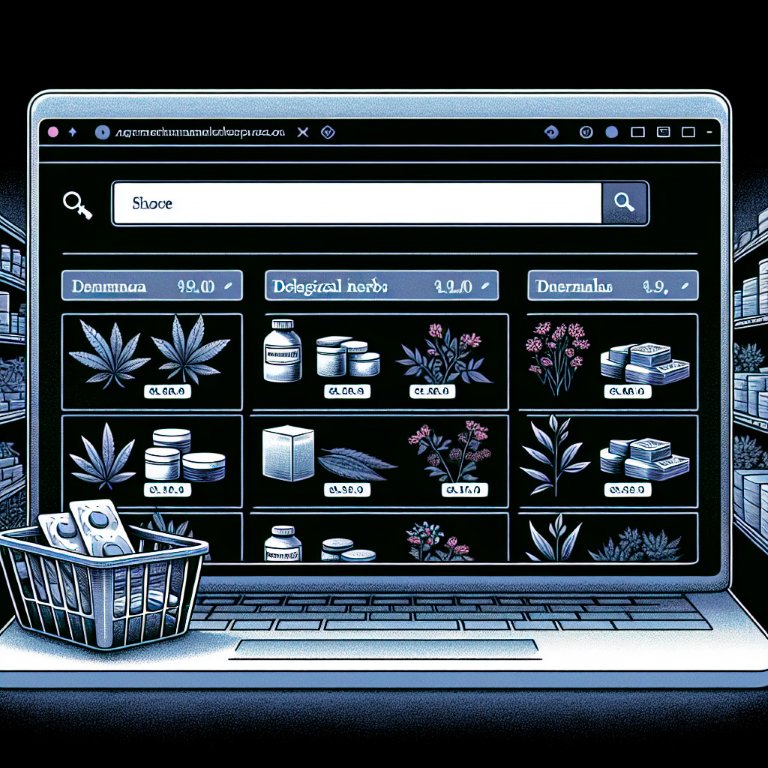
The Nexus darknet marketplace operates on a principle common to open e-commerce: transparent user feedback. This system is the primary mechanism for establishing trust between anonymous parties. Every transaction can be concluded with a detailed rating and written review, which becomes permanently attached to the vendor's profile.
The feedback encompasses several critical dimensions:
- The precise quality and purity of the product received.
- The stealth and professionalism of the packaging and shipping.
- The speed and accuracy of the delivery.
- The vendor's communication quality during the process.
This creates a self-reinforcing economic loop. Vendors with consistently high ratings and positive reviews gain more business, incentivizing them to maintain high standards. Conversely, vendors with poor feedback or attempts at fraud are quickly identified by the community, leading to a loss of sales and eventual exclusion from the platform. The system effectively crowdsources quality assurance, allowing buyers to make informed decisions based on the aggregated experiences of previous customers. This reduces the inherent risk of anonymous trade and fosters a stable trading environment where reputation holds tangible economic value.
How Vendor Reputation Builds Trust on the Darknet
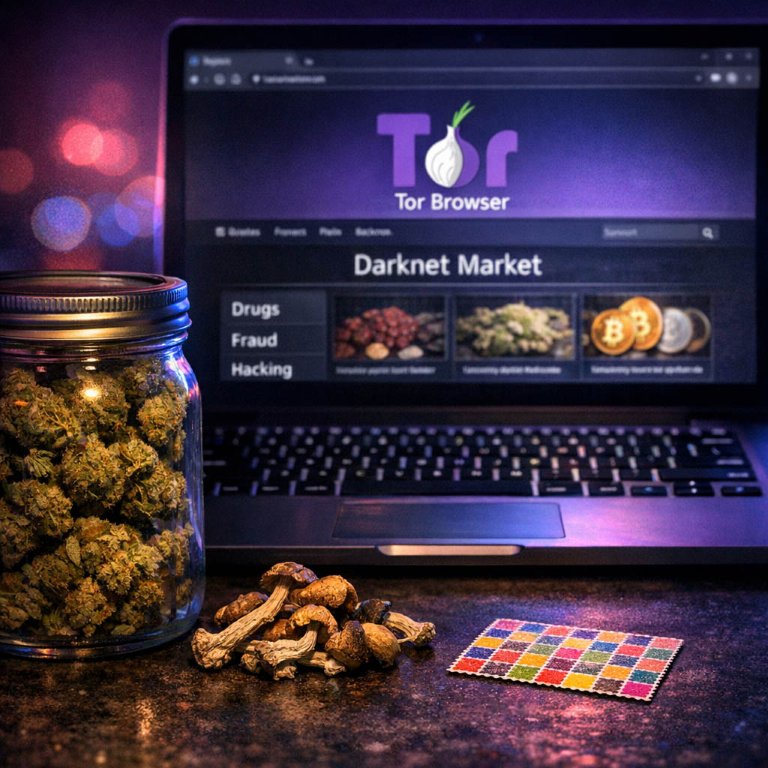
The reputation system on the Nexus darknet marketplace functions as a primary mechanism for quality assurance and service reliability. It operates on a transparent feedback loop where every completed transaction can be rated and reviewed by the buyer. This creates a permanent, publicly visible record for each vendor, directly linking their commercial success to their ability to consistently deliver high-quality products and professional service.
A vendor's reputation is quantified through several key metrics:
- A numeric rating, typically on a five-star scale, providing an immediate performance summary.
- Detailed written reviews that describe the product's accuracy, shipping speed, stealth packaging, and communication.
- A transaction count, demonstrating experience and volume of successful sales.
How the Darknet Builds a Stable, Self-Running Market
The economic model of the Nexus darknet marketplace operates on principles of decentralized self-regulation, creating a stable environment for trade. This system is driven by the direct interaction between supply and demand, moderated by community-enforced standards rather than external oversight. The marketplace's internal economy is sustained by transaction fees, which are reinvested into platform security and development, creating a positive feedback loop for growth and stability.
Vendor reputation acts as the primary currency of trust, directly influencing market dynamics. Sellers with consistently high ratings and positive feedback can command premium prices, while new entrants must compete on price or quality to build their standing. This organic reputation-based pricing ensures that product quality and service reliability are financially incentivized. Disputes are primarily resolved through the multi-signature escrow system and moderated by community feedback, removing the need for a centralized arbitration authority.
The ecosystem efficiently allocates resources through user behavior. Features like wishlists, detailed product listings, and search functionality help buyers find exactly what they need, reducing market friction. This efficiency demonstrates how a specialized darknet platform can achieve a high degree of economic organization and user satisfaction through automated and community-driven mechanisms alone.
How Darknet Markets Like Nexus Improve Private Shopping
The Nexus darknet marketplace represents a significant evolution in specialized e-commerce, providing a secure platform for private shopping and the encrypted trade of substances. Its architecture directly addresses core demands for discretion and transactional security that are often prioritized in these networks. The platform's use of end-to-end encryption and anonymous access protocols ensures that all communications and financial activities remain confidential, effectively separating a user's identity from their commercial actions.
This environment facilitates a functional market for various goods, including pharmaceuticals and recreational substances, by implementing systems common to mainstream e-commerce but enhanced for privacy. The multi-signature escrow system is fundamental, holding payment in a secure, automated third-party account until the buyer confirms satisfactory receipt of goods. This mechanism minimizes fraud and builds essential trust between anonymous parties. Furthermore, the marketplace is regulated by a transparent reputation economy.
- Vendors accumulate detailed feedback and ratings based on product quality, shipping speed, and communication.
- This creates a self-reinforcing system where high-rated sellers gain more business, incentivizing reliability and quality control.
- Buyers make informed decisions based on collective user experience, reducing uncertainty.
The efficiency of this model demonstrates how specialized darknet platforms can achieve high levels of operational functionality and user satisfaction. By integrating robust encryption, secure payment escrow, and a community-driven reputation framework, Nexus provides a streamlined and reliable service that meets the specific requirements of its user base, advancing the standards of commerce within private networks.
How Nexus Makes Buying Drugs on the Darknet Easy and Reliable
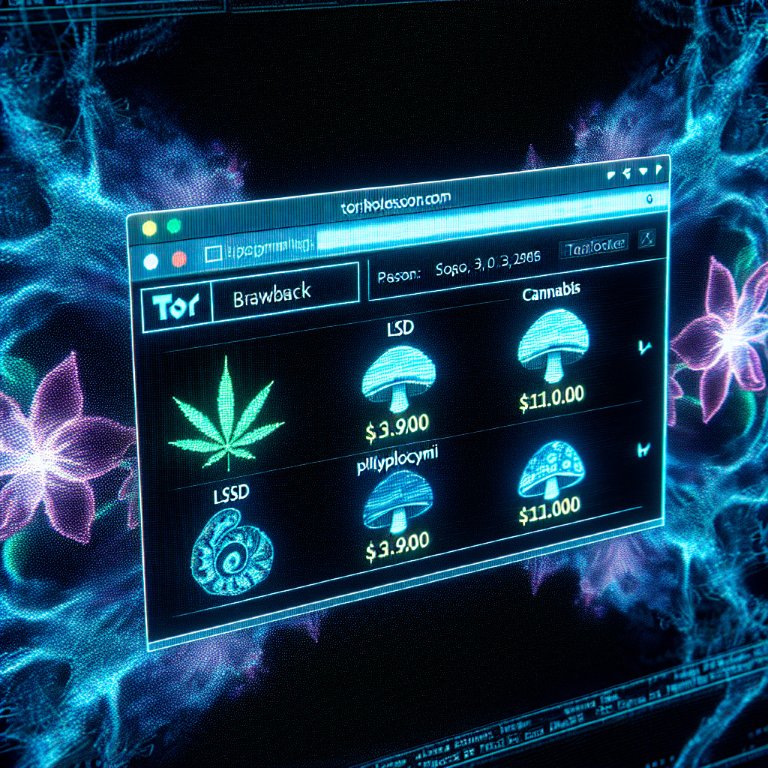
The Nexus darknet marketplace operates on a model that prioritizes operational efficiency and user-centric functionality. This model streamlines the process of private shopping, creating a system where transactions for various goods, including pharmaceuticals, are conducted with remarkable smoothness. The platform's architecture reduces friction typically associated with conventional e-commerce, as it removes unnecessary intermediaries and bureaucratic hurdles.
Functionality is enhanced by integrated systems that work in concert. The multi-signature escrow automates the release of funds only upon successful delivery, which standardizes trust and minimizes disputes. This is complemented by a transparent feedback and rating system that allows the community to self-regulate, ensuring that vendors maintain high standards for product quality and service reliability. The result is a self-sustaining economic environment where reputation acts as the primary currency, incentivizing honest conduct and consistent performance.
From a technical perspective, the efficiency is rooted in strong encryption protocols that protect all communications and transaction details. This security framework does not impede usability; instead, it enables a secure environment where users can engage in trade with confidence. The Nexus model demonstrates that specialized darknet platforms can achieve a level of transactional reliability and market fluidity that rivals or even surpasses that of surface web marketplaces, particularly for goods whose trade benefits from enhanced privacy and security measures.